Dreamweaver
William Shakespeare
1564–1616
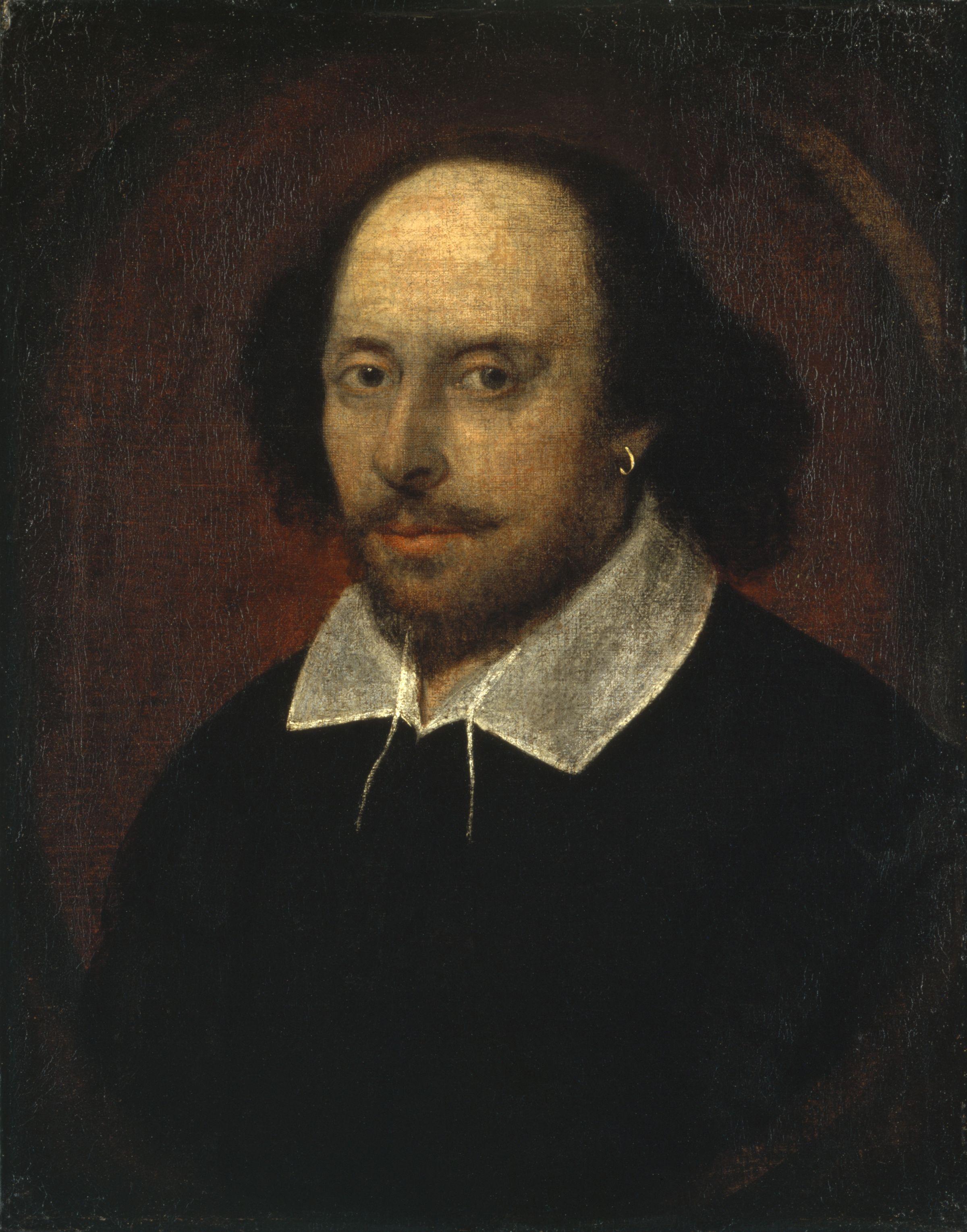
Timeline
1564
William Shakespeare is born in Stratford-upon-Avon.
1582
Shakespeare marries Anne Hathaway.
1588
The defeat of the Spanish Armada.
1590
Shakespeare likely begins writing his first plays.
1592
First recorded mention of Shakespeare as a London playwright.
1594
The Lord Chamberlain's Men is formed with Shakespeare as a key member.
1596
Shakespeare's son Hamnet dies at age 11.
1599
The Globe Theatre is built.
1600
'Hamlet' is likely performed for the first time.
1603
Queen Elizabeth I dies, and James I ascends the throne.
1605
The Gunpowder Plot is discovered.
1606
'King Lear' is performed.
1608
The King's Men acquire the Blackfriars Theatre.
1610
'The Tempest' is written.
1613
The Globe Theatre burns down during a performance of 'Henry VIII'.
1616
William Shakespeare dies.
- William Shakespeare - Wikipedia
Comprehensive overview of Shakespeare's life, works, and legacy.
- The Folger Shakespeare Library
A world-renowned resource for all things Shakespeare, including digitized manuscripts and research materials.
- Royal Shakespeare Company
Learn about modern productions of Shakespeare's plays and his history in Stratford-upon-Avon.
- Shakespeare Birthplace Trust
Discover more about Shakespeare's life and works, including educational resources.
William Shakespeare was born in Stratford-upon-Avon, Warwickshire, in 1564. While his exact birthdate is unknown, he was baptised on April 26, so his birthday is traditionally celebrated on April 23.
He was the son of John Shakespeare, a successful glover and alderman, and Mary Arden, the daughter of a wealthy landowning farmer. He likely attended the King's New School in Stratford, which would have provided a thorough education in Latin and the classics.
At the age of 18, Shakespeare married Anne Hathaway, who was 26. They had three children: Susanna, and twins Hamnet and Judith. Hamnet died of unknown causes at the age of 11.
The period between 1585 and 1592 is known as Shakespeare's 'lost years,' as there are no historical records of his activities. It is during this time that he is thought to have moved to London and begun his career in the theatre.
By 1592, Shakespeare was established in London as both an actor and a playwright. He was a managing partner of the Lord Chamberlain's Men (later known as the King's Men), a popular playing company. The company built their own theatre on the south bank of the River Thames, the Globe Theatre, in 1599.
Over his career, Shakespeare wrote approximately 39 plays, 154 sonnets, and a variety of other poems. His works are typically categorised into three genres: comedies, tragedies, and histories, with some later works classified as 'romances' or tragicomedies.
After about 1613, Shakespeare appears to have retired to Stratford, where he had invested in property. He died on April 23, 1616, at the age of 52.
He was buried in the chancel of the Holy Trinity Church in Stratford-upon-Avon. His tomb is famously inscribed with a curse against moving his bones: 'Good friend, for Jesus' sake forbear, To dig the dust enclosed here. Blest be the man that spares these stones, And cursed be he that moves my bones.'
Shakespeare is widely regarded as the greatest writer in the English language and the world's pre-eminent dramatist. His plays have been translated into every major living language and are performed more often than those of any other playwright.
Seven years after his death, his fellow actors John Heminges and Henry Condell compiled and published his plays in a volume known as the First Folio, which is the primary source for most of his work today.
Invented Words
Shakespeare is credited with inventing over 1,700 words that are still in common use today, including 'eyeball,' 'swagger,' 'fashionable,' and 'addiction.'
No Original Manuscripts
There are no surviving manuscripts of Shakespeare's plays written in his own hand. The versions we have today were compiled from actors' scripts, promptbooks, and audience members' notes.
A Curse on his Grave
Shakespeare's gravestone is inscribed with a curse to deter anyone from moving his bones: 'Good friend for Jesus sake forbeare, To digg the dust encloased heare. Blese be ye man yt spares thes stones, And curst be he yt moves my bones.'
The Globe Theatre Fire
During a performance of Henry VIII in 1613, a theatrical cannon misfired and set the thatched roof of the Globe Theatre on fire, burning it to the ground. It was rebuilt a year later.